Invisible Zipper Machinery – Quotation Supplier from China
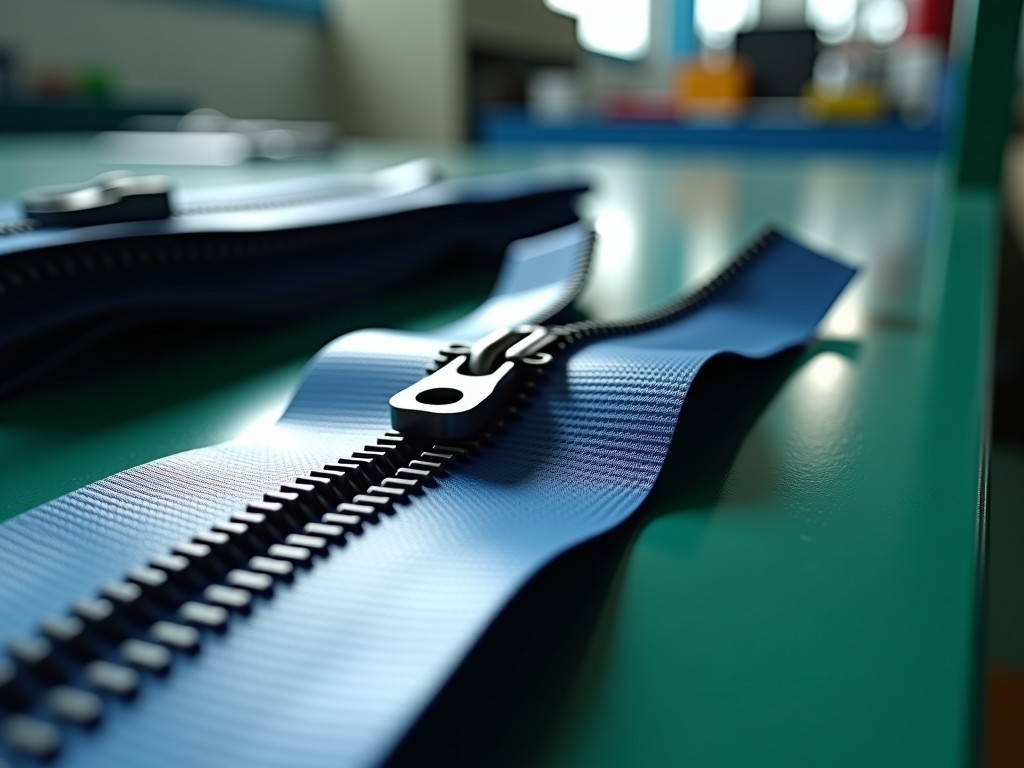
The machinery forms the zipper chain by interlocking molded teeth onto a polyester or nylon tape while simultaneously inserting a concealed slider that remains hidden within the fabric seam. Precise synchronization between the tooth‑forming mold and the tape feed mechanism ensures consistent pitch and tensile strength. Typical production speeds range from 150 to 300 cycles per minute depending on zipper width and material.
Key Technical Parameters
| Parameter | Typical Value | Unit | Notes |
|---|---|---|---|
| Maximum zipper width | 10 | mm | Customizable up to 15 mm on request |
| Production speed | 150–300 | cycles/min | Dependent on material and tooth pitch |
| Motor power | 2.2 | kW | Three‑phase, 380 V |
| Control system | PLC with touchscreen | – | Parameter storage for up to 20 zipper profiles |
| Air pressure requirement | 0.5–0.7 | MPa | Filtered, oil‑free |
Machine Configurations
Base units are available with single‑head or dual‑head arrangements, allowing parallel production of two zipper tapes to increase output without enlarging floor space. Optional accessories include side‑cutters for trimming excess tape, heat‑seal units for end‑finishing, and automatic tension regulators for consistent tape feed. All modules mount on a common steel frame with ISO‑compatible mounting points for easy integration into existing lines.
Material Compatibility
The machinery processes polyester, nylon, and polypropylene tapes with thicknesses ranging from 0.08 mm to 0.25 mm. Tooth materials include acetal (POM) and modified polypropylene, selected based on required flexural strength and chemical resistance. Lubrication systems accommodate silicone‑based or PTFE‑based oils to suit downstream washing or dry‑cleaning processes.
Production Process Integration
Zipper tape is supplied from a rotary unwind stand equipped with tension dancers to prevent slack or over‑tension during high‑speed runs. After tooth formation and slider insertion, the chain passes through a cooling block to set the molded teeth before being wound onto a take‑up reel or fed directly to a sewing station. Synchronization sensors monitor pitch deviation and trigger automatic shutdown if tolerances exceed ±0.02 mm.
Quality Assurance
Each production lot undergoes inline visual inspection using high‑resolution cameras to detect missing teeth, misaligned sliders, or surface defects. Dimensional checks are performed on a sampling basis with laser micrometers to verify tooth pitch and tape width within ±0.01 mm. Final tensile strength tests follow ISO 9073‑2 standards, with results recorded for traceability.
Customization Options
- Adjustable tooth pitch from 2.5 mm to 4.5 mm in 0.1 mm increments
- Optional laser‑etched branding on the tape surface
- Choice of pneumatic or servo‑driven slider insertion mechanisms
- Integration of RFID tag insertion stations for smart‑garment applications
- Custom paint colors or stainless‑steel finishes for corrosive environments
Typical Applications
Invisible zippers are preferred in high‑end apparel where a seamless appearance is critical, such as formal dresses, tailored suits, and luxury outerwear. The concealed slider eliminates visual interruptions, allowing designers to maintain uninterrupted fabric patterns or decorative stitching.
Beyond fashion, the machinery serves luggage manufacturers who require water‑resistant, low‑profile closures for carry‑on bags and backpacks. The ability to produce narrow‑width tapes with high tensile strength meets the durability demands of frequent handling and compression.
Automotive interior trim suppliers also adopt invisible zippers for seat covers and panel assemblies, where a discreet fastener reduces snag risk and contributes to a premium tactile feel.
Frequently Asked Questions
What information is required before receiving a quotation?
Please provide the desired zipper width, tooth pitch, tape material, production speed target, and any special features such as branding or RFID integration. Including expected annual volume helps the supplier size the machine configuration appropriately.
Can the machine be customized for non‑standard tape thicknesses?
Yes, the feed rollers and tooth‑forming molds are interchangeable to accommodate tape thicknesses from 0.06 mm up to 0.30 mm. Custom tooling lead time is typically four to six weeks after design approval.
What is the typical production lead time for a standard unit?
A standard single‑head invisible zipper machine usually ships within 8 to 10 weeks after receipt of deposit, assuming standard voltage and control options. Dual‑head or heavily customized units may extend to 12–14 weeks.
How is quality inspected during production?
Inline vision systems check each tooth and slider placement, while periodic tensile and fatigue tests are performed on sample lengths according to ISO 9073‑2. All data are logged and available for customer audit.
What packaging and shipping methods are used for export?
Machines are secured on steel pallets with shock‑absorbing foam, wrapped in polyethylene film, and placed in wooden crates that meet ISPM‑15 standards. Sea freight is the default, with air freight available on request for urgent deliveries.