Heavy Duty Metal Zipper Machine
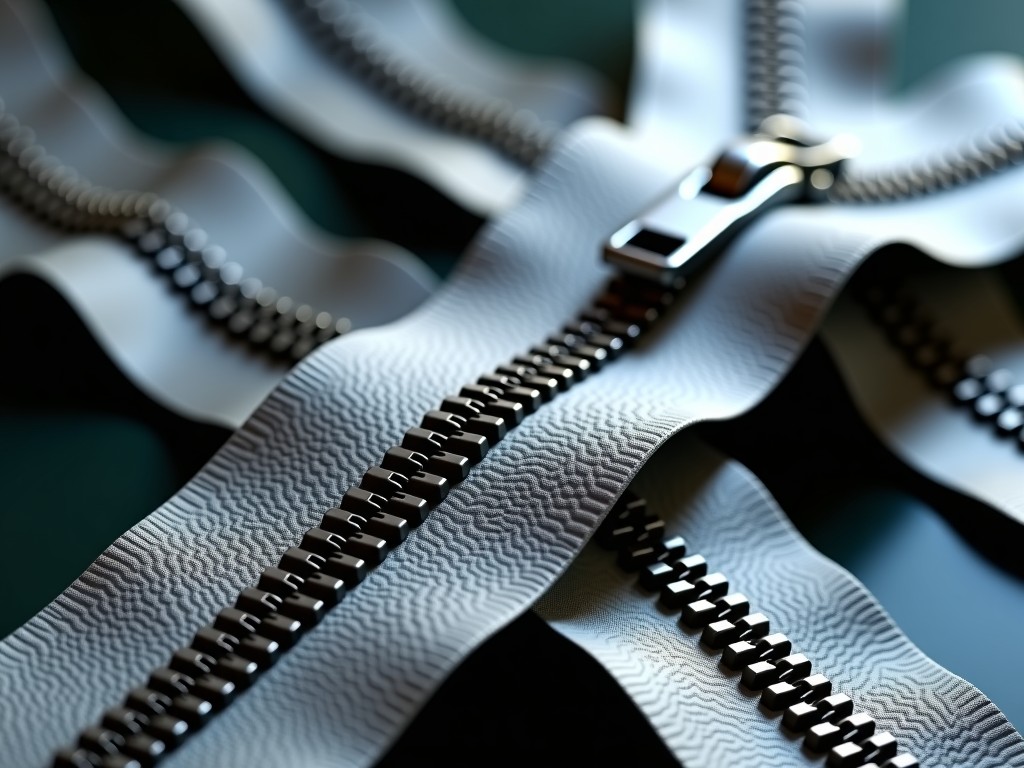
This equipment is engineered for continuous production of metal zipper chains used in heavy‑duty applications such as industrial workwear, luggage, and automotive interiors. It feeds metal strip, forms teeth, and attaches them to tape with high repeatability.
Key Technical Specifications
| Parameter | Typical Value | Unit |
|---|---|---|
| Maximum Zipper Width | 20 | mm |
| Maximum Speed | 120 | m/min |
| Motor Power | 5.5 | kW |
| Heating Temperature (ultrasonic) | 180–210 | °C |
| Control System | PLC with HMI | – |
| Overall Dimensions (L×W×H) | 2200×900×1500 | mm |
| Machine Weight | 1800 | kg |
Operating Principle
Metal strip is unwound and guided through a forming station where rollers shape the teeth profile. Simultaneously, a tape feed delivers polyester or cotton tape to the tooth‑attachment zone, where ultrasonic welding or crimping bonds the teeth to the tape. The completed chain is then cut to length and wound onto a take‑up reel.
Main Applications
Heavy‑duty metal zippers provide superior tensile strength and resistance to abrasion, making them suitable for protective clothing, military gear, and high‑stress luggage. The machine’s ability to process thick brass or alloy strips enables production of zippers that withstand repeated heavy loads without tooth deformation.
Customization Options
- Zipper width (5 mm–20 mm)
- Tooth shape (standard, lock, invisible)
- Tape material (polyester, nylon, cotton)
- Drive system (servo, variable frequency)
- Control interface (PLC with touchscreen, relay‑based)
Quality Control & Testing
Each machine undergoes a run‑test where zipper chains are measured for tooth pitch tolerance (±0.02 mm) and tensile strength (>150 N per tooth). Visual inspection checks for surface defects on the tape and metal flash. Final verification includes a cycle test of 5,000 open‑close operations to assess wear resistance.
Frequently Asked Questions
Can the machine width be adjusted for different zipper sizes? Width adjustment is achieved by exchanging the forming rollers and guide rails, a process that typically takes under 30 minutes.
What information is required before a quotation? Provide the desired zipper width, tooth shape, tape material, production speed, and any special control features.
Which materials are compatible with the metal strip processing? The machine accepts brass, copper alloy, and stainless steel strips with thicknesses ranging from 0.2 mm to 0.5 mm.
How is quality inspected during production? Inline sensors monitor tooth pitch and tension, while periodic manual sampling verifies tensile strength and visual finish.
Contact for Inquiry
To discuss technical details, request a quote, or arrange a factory visit, please send your specifications to our sales team. We will respond with a detailed proposal within two business days.
Email: [email protected]