Zinc Alloy Hot Chamber Die Casting Machine
Hot chamber die casting machines are designed for alloys with low melting points, such as zinc, where the injection system is immersed in the molten metal bath. This configuration enables rapid shot cycles and minimal metal oxidation during the process.
Key Technical Specifications
| Parameter | Typical Value |
|---|---|
| Clamping Force | 60 – 250 kN (adjustable) |
| Shot Weight (Zn) | 0.02 – 0.5 kg per shot |
| Injection Pressure | Up to 800 bar |
| Platen Size (H×V) | 250 × 250 mm (standard), customizable |
| Ejector Force | 10 – 30 kN |
| Motor Power | 5 – 15 kW (servo‑hydraulic) |
| Cycle Time | 2 – 6 s depending on part geometry |
Machine Design and Construction
The machine frame is built from stress‑relieved steel plates welded into a monolithic structure, providing high rigidity to resist clamping forces up to 250 kN without deflection. Guide ways are hardened and ground to ensure smooth platen movement and repeatable positioning within ±0.02 mm.
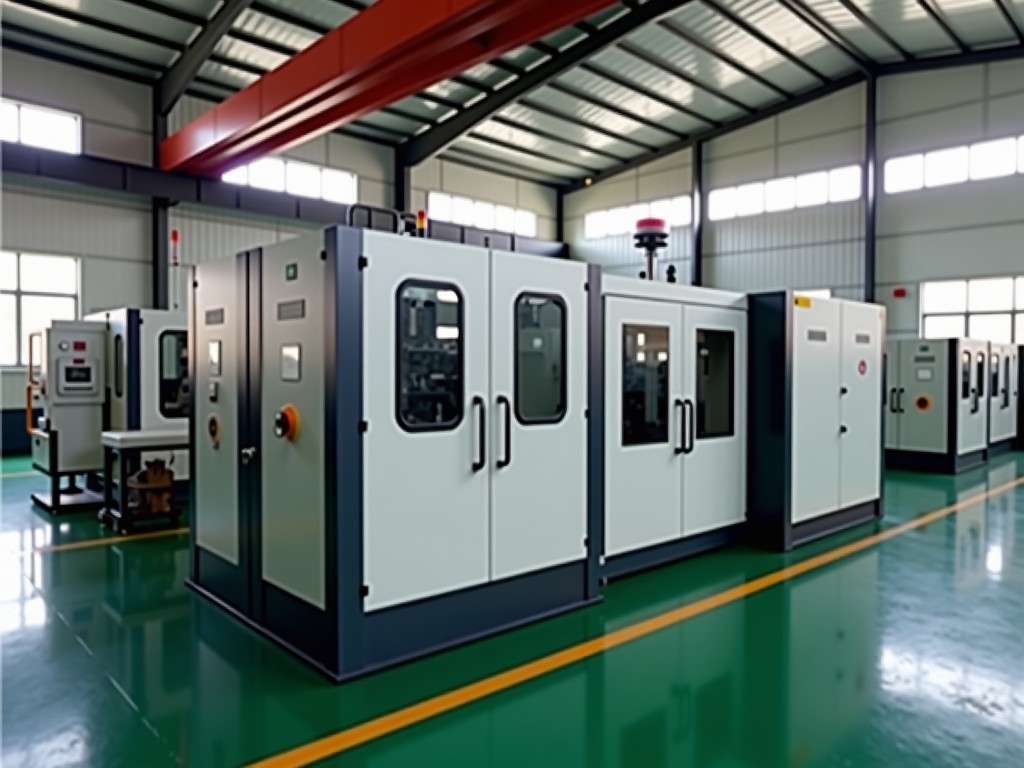
The hot chamber consists of a crucible made from heat‑resistant alloy, immersed in a furnace that maintains zinc temperature between 380 °C and 420 °C. A plunger driven by a servo‑hydraulic unit injects the metal at controlled speed, allowing shot weight adjustment in 0.01 kg increments.
Applications in Zinc Alloy Die Casting
Zinc alloys solidify quickly, enabling thin‑walled components with fine surface detail. The hot chamber process minimizes gas entrapment, making it suitable for connectors, housings, gears, and decorative parts where dimensional tolerance of ±0.1 mm is required.
Typical production volumes range from a few thousand to several million pieces per year, with the machine capable of sustaining 8‑hour shifts at a duty cycle above 70 % when equipped with an automated lubrication and part‑removal system.
Quality Control and Testing
Each machine undergoes factory acceptance testing that includes pressure hold tests on the hydraulic system, repeatability checks of shot weight (±0.005 kg), and platen parallelism verification using laser interferometry. Electrical safety is verified according to IEC 60204‑1 standards.
Optional in‑line monitoring sensors can track melt temperature, injection pressure, and cycle time, feeding data to a PLC for statistical process control (SPC) charts. Calibration certificates are provided upon request.
Customization Options
- Platen dimensions adjusted to suit mold size (range 200 × 200 mm to 400 × 400 mm)
- Shot weight range extended with larger plunger and cylinder
- Ejector system upgraded to hydraulic or pneumatic actuation
- Control interface: touchscreen HMI with multi‑language support
- Safety upgrades: light curtains, emergency stop interlocks, safety PLC
Frequently Asked Questions
- Can dimensions be customized? Yes, platen size, stroke length, and shot weight can be tailored to specific mold requirements.
- What information is required before quotation? Part geometry, estimated shot weight, desired production rate, and any special features such as core pulling or vacuum assist.
- What materials are available? The machine is optimized for zinc alloys (ZnAl4, ZnAl5, ZnAlCu); other low‑melting alloys can be accommodated upon review.
- How is quality inspected? Factory tests include hydraulic pressure verification, shot weight repeatability, platen parallelism, and electrical safety checks.
- What packaging methods are available? Machines are skid‑mounted, wrapped in vapor‑corrosion inhibitor film, and secured in wooden crates suitable for container shipping.
- How are export shipments protected? Corrosion‑protective coating, desiccant packs, and shock‑absorbing pallets are used to meet ISPM‑15 standards.
- What is the typical production lead time? Standard models ship within 8‑10 weeks; customized units depend on design complexity and typically range from 12‑16 weeks.
- How are samples arranged? Sample parts can be produced on‑site after machine acceptance; shipping of samples is arranged at the buyer’s expense.
Contact for Technical Inquiry
For detailed technical data, layout drawings, or to discuss a specific die casting project, please reach out to our engineering team.
Request Technical Consultation