Wholesale Metal Zipper Machine for Jeans and Workwear Company
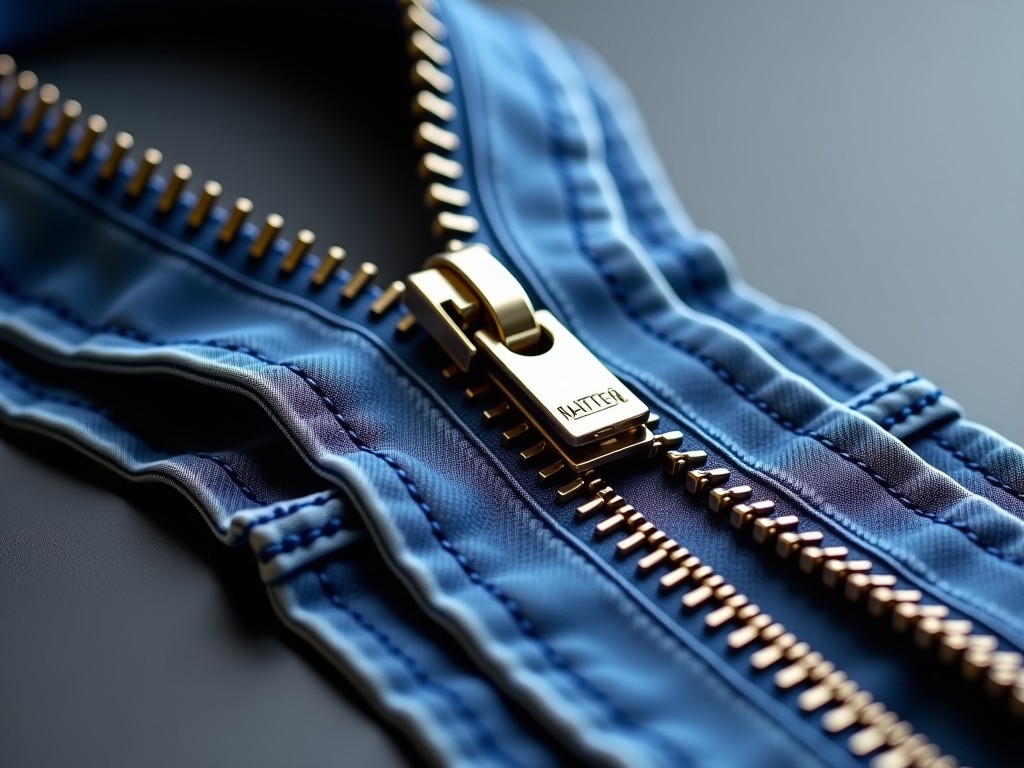
The machine is designed for high‑volume production of metal zippers used in denim jeans, workwear jackets, and heavy‑duty outerwear.
It feeds pre‑formed metal teeth onto a polyester tape while simultaneously forming the lock‑stitch that secures the chain.
Typical configurations support zipper widths from 3 mm to 10 mm and operate at speeds up to 350 cycles per minute.
| Parameter | Typical Value / Range |
|---|---|
| Maximum zipper width | 10 mm |
| Minimum zipper width | 3 mm |
| Stitch type | Lock‑stitch (single needle) |
| Maximum speed | 350 cycles/min |
| Motor power | 1.5 kW servo drive |
| Power supply | 380 V ± 10 %, 3‑phase, 50/60 Hz |
| Machine dimensions (L×W×H) | 1800 mm × 900 mm × 1500 mm |
| Net weight | ≈ 620 kg |
| Control system | PLC with touch‑screen HMI, recipe storage for 20 zipper types |
Key Features
- Adjustable tape tension mechanism ensures consistent tooth alignment across varying tape thicknesses.
- Quick‑change tooling allows swapping between 3 mm, 5 mm, 7 mm, and 10 mm zipper widths in under 15 minutes.
- Integrated sensor monitors needle position and stops the machine if a misfeed is detected, reducing scrap.
- Energy‑efficient servo drive reduces power consumption by up to 20 % compared with conventional clutch drives.
- Modular frame design facilitates easy access for maintenance and parts replacement.
Applications in Denim and Workwear Production
Denim jeans require metal zippers that can withstand repeated abrasion and washing cycles; the machine’s lock‑stitch provides a high‑strength bond that resists pull‑out forces exceeding 150 N.
For heavy‑duty workwear such as cargo pants and jackets, the ability to produce wider 10 mm zippers accommodates larger pull tabs and reinforcement tapes commonly used in safety garments.
The adjustable feed rate lets operators match zipper production speed to downstream sewing line rates, minimizing work‑in‑process inventory.
Customization Options
Tooling can be tailored for specialty zipper types such as water‑repellent coated metal teeth or anti‑corrosion nickel‑plated finishes.
The HMI can be programmed with additional stitch patterns (e.g., double lock‑stitch) for applications requiring extra seam strength.
Optional accessories include automatic tape cutter, zipper length counter, and integrated electrostatic discharge (ESD) protection for environments handling sensitive electronics.
Quality Control Philosophy
Each machine undergoes a factory acceptance test that verifies stitch consistency across the full speed range using standardized zipper tape.
Critical dimensions such as tooth pitch and tape width are measured with optical comparators; tolerance limits are typically ±0.05 mm.
Final inspection includes a functional pull‑test on a sample of 50 zippers per batch to confirm lock‑stitch integrity before shipment.
Frequently Asked Questions
- Can the machine produce plastic coil zippers? No, it is optimized for metal tooth zippers; plastic coil zippers require a different feed and stitch system.
- What information is needed for a quotation? Required details include desired zipper width range, target production speed, tape material specifications, and any special tooling needs.
- How is quality inspected? As described in the quality control section, we perform dimensional checks, stitch consistency tests, and pull‑tests on sample batches.
- What packaging methods are available? Machines are secured on wooden pallets with vibration‑dampening foam and wrapped in polyethylene film; custom crating is available upon request.
- What is the typical production lead time? Lead time varies with configuration but generally falls between 8 and 12 weeks after receipt of purchase order.
For more detailed specifications, pricing, or to arrange a technical consultation, please contact our sales team.
Request Quote