OEM Nylon Zipper Finishing Equipment
Nylon zipper finishing equipment applies controlled heat, tension, and surface treatment to zipper chains after extrusion, ensuring dimensional stability, low friction, and consistent tooth engagement. The process replaces manual post‑treatment steps with repeatable parameters that reduce variation across large production runs.
Technical Principles
The core unit consists of a heated roller pair set to a temperature profile matched to nylon 6,6 melting point (approximately 255 °C) with a precision ±2 °C tolerance. Zipper tape passes between the rollers under a programmable tension range of 0.5–2.5 N, allowing the polymer chains to relax and re‑orient while a thin fluoropolymer coating is applied via a roll‑to‑roll spray system.
Cooling is performed by a downstream chilled cylinder set to 20 °C, which locks in the crystalline structure and prevents re‑stretching. Sensors monitor tape speed, temperature, and tension in real time, feeding data to a PLC that adjusts roller gap and spray rate to maintain target finish specifications.
Key Engineering Characteristics
- Roller diameter: 150 mm, surface hardness HRC 58–62 for wear resistance.
- Temperature control range: 180 °C–280 °C, stability ±1 °C.
- Tension adjustment resolution: 0.1 N via servo‑driven nip rollers.
- Coating thickness capability: 0.8–2.5 µm fluoropolymer, measured by inline optical gauge.
- Maximum line speed: 120 m/min, with consistent finish up to 100 m/min for heavy‑duty zipper tape.
Typical Specifications
| Parameter | Range / Value | Remarks |
|---|---|---|
| Roller Temperature | 180 °C–280 °C | Adjustable in 1 °C increments |
| Nip Tension | 0.5–2.5 N | Servo‑controlled, feedback loop |
| Line Speed | Up to 120 m/min | Dependent on tape thickness |
| Coating Thickness | 0.8–2.5 µm | Fluoropolymer, UV‑cured |
| Power Consumption | ≈12 kW (max) | Three‑phase 380 V |
Applications in Zipper Manufacturing
The equipment is integrated directly after the extrusion and winding stages of nylon zipper tape production. By applying a uniform thermal set and low‑friction coating, it eliminates the need for secondary drying ovens or manual buffing, thereby reducing floor space and labor costs. Consistent surface energy improves the performance of subsequent lubricant injection and tooth meshing, which is critical for high‑cycle applications such as automotive interior trim and outdoor gear.
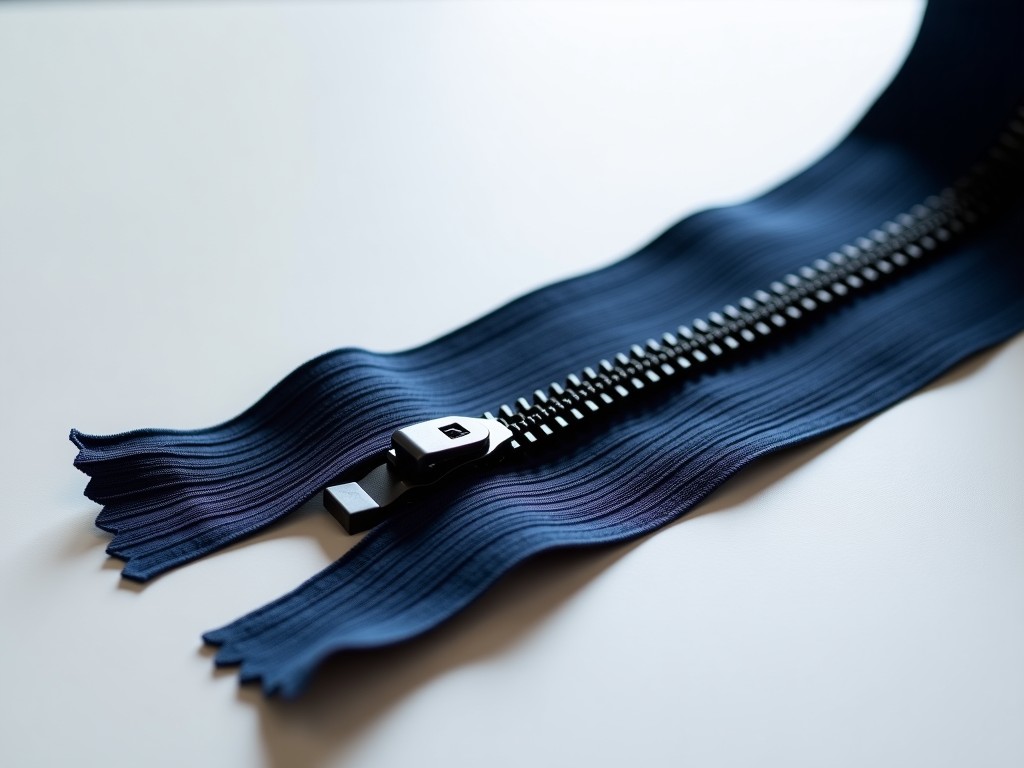
Manufacturers producing continuous filament nylon tape for waterproof or fire‑retardant zippers benefit from the precise temperature control, which prevents degradation of additives while still achieving the required crystallinity. The inline coating system also allows for the incorporation of anti‑static or antimicrobial agents without compromising tape integrity.
Customization Options
- Roller surface treatments: chrome plating, ceramic coating, or polymer sleeves for specific tape abrasion profiles.
- Spray nozzle configurations: single‑pass, dual‑pass, or rotary atomizer for varying coating viscosities.
- Tension sensor types: load cell, dancer arm, or infrared‑based non‑contact measurement.
- Cooling module choices: water‑cooled cylinder, air‑knife, or cryogenic coil for high‑speed lines.
- Control interface: standard PLC with HMI, or optional SCADA integration for factory‑wide data logging.
Quality Control & Testing
Finished tape is evaluated using a tensile tester to measure elongation at break (target > 30 %) and a coefficient of friction tester (ASTM D1894) to confirm low‑friction performance (μ < 0.25). Coating uniformity is verified by a non‑contact thickness gauge with a repeatability of ±0.05 µm. Thermal stability is assessed via differential scanning calorimetry (DSC) to ensure the melting peak remains within 250 °C ± 5 °C after processing.
In‑line monitoring includes real‑time temperature logs from thermocouples embedded in the rollers and tension feedback from the servo drive. Any deviation beyond preset thresholds triggers an automatic line stop and an alarm, minimizing the risk of off‑spec product reaching downstream operations.
Frequently Asked Questions
Yes. Temperature and tension profiles are adjustable; common grades include nylon 6, nylon 6,6, and reinforced variants. Specific settings are confirmed during trial runs.
Tape width, thickness, target line speed, desired coating type, and any special additive requirements. Providing a sample tape helps optimize the roller gap and spray parameters.
Inline sensors monitor temperature, tension, and coating thickness. Periodic off‑line tests include tensile strength, friction coefficient, and DSC analysis as described in the quality control section.
Equipment is shipped in a protective frame with shock‑absorbing padding, sealed in a humidity‑controlled crate. Optional wooden pallets with ISPM‑15 certification are available for export.
Standard configurations ship within 8–10 weeks after receipt of purchase order. Customized roller coatings or special control systems may extend lead time to 12–14 weeks.
For detailed technical data, customization discussions, or to arrange a factory trial, please contact our engineering team.
Request Technical Consultation