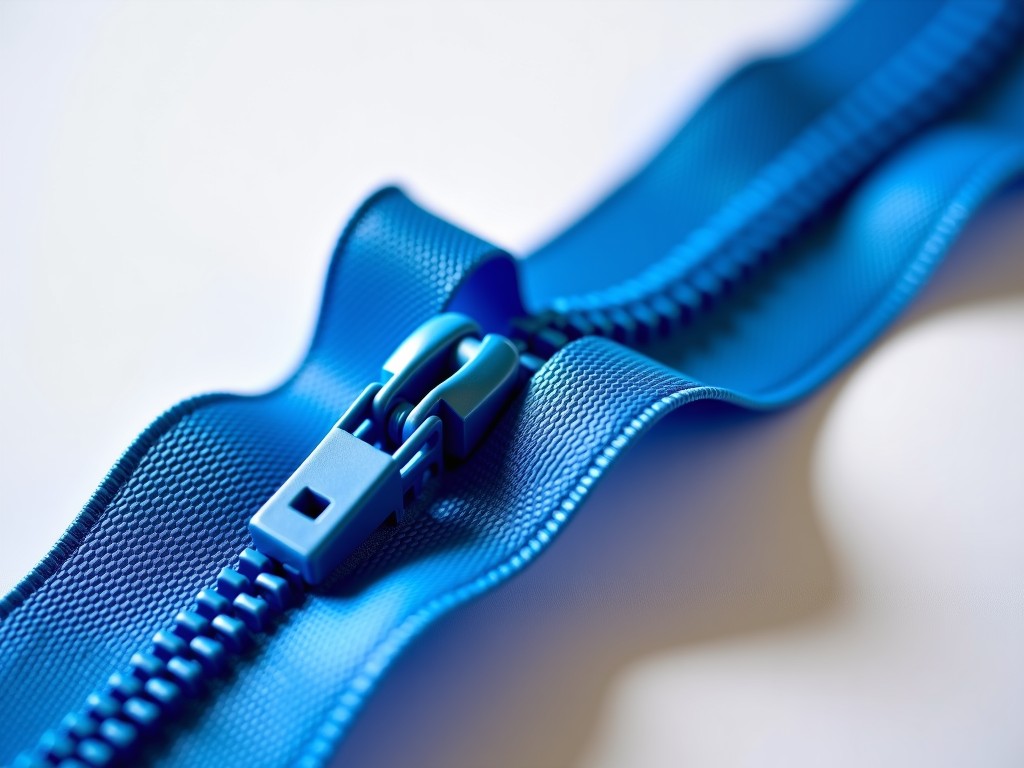
Plastic Zipper Injection Molding Equipment
This equipment melts thermoplastic resins and injects them into precision molds to form zipper teeth, tapes, and sliders. Consistent melt temperature and injection pressure directly affect dimensional stability and surface finish of the final zipper components.
Technical Specifications
| Parameter | Typical Value | Customizable Range |
|---|---|---|
| Clamping Force | 150 kN – 300 kN | Adjustable per mold size and material |
| Shot Size | 20 cm³ – 80 cm³ | Tailored to zipper tooth geometry |
| Plasticizing Capacity | Up to 45 kg/h (PP) | Configurable screw L/D ratio |
| Mold Opening Stroke | 200 mm – 350 mm | Based on part ejection requirements |
| Heating Zones | 3 – 5 zones | Zone temperature independently controllable |
| Control System | PLC with touch‑screen HMI | Optional SCADA integration |
The clamping force range accommodates molds for both narrow coil zippers and wider molded sliders. Shot size flexibility enables production of varying tooth profiles without changing the machine. Plasticizing capacity is matched to resin flow rates to avoid degradation while maintaining cycle efficiency.
Applications in Zipper Production
Injection molding is preferred for zipper teeth because it yields high repeatability in tooth pitch and thickness, which are critical for smooth slider movement. The process also allows integration of colorants or UV stabilizers directly in the melt, eliminating secondary coating steps.
Customization Options
- Screw diameter from 25 mm to 45 mm to suit different resin viscosities
- Barrel length options (L/D ratios of 20:1, 25:1, 30:1)
- Number of heating zones (up to six) with independent PID control
- Ejection systems: pneumatic pin, stripper plate, or rotary valve
- Control interface: standard touchscreen or optional industrial PC with Ethernet connectivity
Quality Control & Testing
Each machine undergoes a factory acceptance test that verifies injection pressure repeatability within ±2 %, shot weight variation below 1 %, and clamp force stability over 24 hours of continuous operation. Mold temperature uniformity is checked with thermocouple arrays to ensure consistent cooling across the cavity.
Frequently Asked Questions
- Can the machine process engineering plastics such as POM or PBT? Yes, with appropriate screw design and barrel wear‑resistant liners.
- What information is required before quotation? Part geometry (tooth pitch, height, width), material grade, expected annual volume, and any special features like UV protection.
- How are export shipments protected? Machines are secured in wooden crates with foam cushioning, corrosion inhibitor coating on exposed metal, and desiccant packs for humidity control.