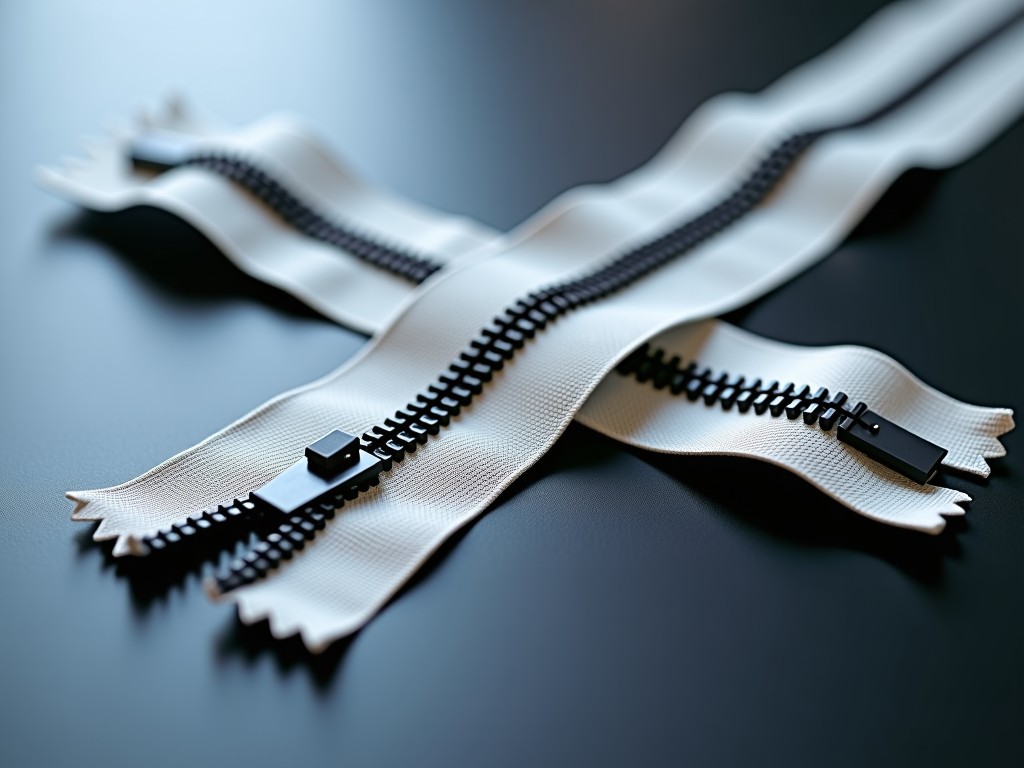
Custom Complete Resin Zipper Factory Setup Supplier
A resin zipper factory setup encompasses the machinery, tooling, and process controls required to produce continuous filament‑coiled zippers from thermoplastic resin. The system integrates resin drying, extrusion, shaping, cooling, and cutting stages to deliver zipper chains that meet specific mechanical and dimensional specifications.
By consolidating these functions into a single line, manufacturers reduce handling steps, improve repeatability, and lower the risk of contamination that can affect zipper performance.
Technical Overview of the Production Line
The core extrusion unit typically uses a single‑screw extruder with a barrel temperature profile ranging from 180 °C to 220 °C, depending on the resin grade (e.g., POM, PET, or co‑polyester). A specialized die shapes the molten resin into a continuous helical coil that forms the zipper teeth.
Immediately after extrusion, a water‑air cooling chamber solidifies the coil at a controlled rate to minimize internal stresses, followed by a pull‑off device that maintains constant tension.
The line then feeds the coil into a cutting station where precision blades cut the chain to the desired length, and a slider‑attachment module installs functional sliders at programmed intervals.
Customization Choices for Resin Zipper Systems
- Resin material: POM (acetal) for low friction, PET for high strength, or co‑polyester for UV resistance.
- Tooth profile: standard, lock‑step, or invisible, each affecting engagement force and seam appearance.
- Tape width: ranging from 2 mm to 10 mm, selectable to match fabric weight and application.
- Slider type: non‑lock, automatic lock, or key‑lock, with optional metal or plastic inserts.
- Color and additives: masterbatch pigments, UV stabilizers, or antimicrobial agents can be blended into the resin.
Each option is adjusted via die geometry, extrusion speed, and cooling parameters, allowing the same base line to produce multiple zipper variants without retooling major components.
Manufacturing Process Flow
1. Material handling: resin pellets are dried in a hopper dryer to <0.02 % moisture content before feeding.
2. Extrusion: melted resin is conveyed through the die at a linear speed of 0.5‑2.0 m/min, calibrated to achieve target tooth dimensions.
3. Cooling: the emerging coil passes through a spray‑chamber where temperature drops from extrusion temperature to below 50 °C within 2‑3 seconds.
4. Pull‑off and tension control: a calibrated nip roller maintains tension variance under ±5 % to prevent tooth deformation.
5. Cutting and slider installation: a rotary cutter slices the chain at programmed lengths; a servo‑driven slider inserter places sliders with positional accuracy of ±0.1 mm.
Quality Control Philosophy
Inspection points are integrated at three stages: incoming resin, extruded coil, and finished zipper chain. Each point uses both inline sensors and periodic manual checks.
- Resin: melt flow index (MFI) measured per lot; acceptable range 8‑12 g/10 min for POM.
- Coil: outer diameter and pitch measured by laser micrometer; tolerance ±0.05 mm.
- Finished chain: tensile strength of a 100 mm sample tested; minimum 25 N for standard POM zipper.
- Slider engagement: lock‑force measured with a tensile tester; target 3‑5 N for automatic lock sliders.
Statistical process control (SPC) charts track critical dimensions; any deviation beyond 2σ triggers an automatic line stop for operator review.
Why Resin Zippers Suit Specific Industries
In automotive interior trim, resin zippers provide low‑temperature flexibility and resistance to oil and grease, which metal zippers may corrode over time.
Outdoor gear manufacturers favor co‑polyester resin zippers for their UV stability and ability to maintain flexibility down to ‑30 °C, ensuring reliable operation in extreme weather.
Medical device bags require biocompatible, sterilizable resins; POM zippers can withstand repeated autoclave cycles at 121 °C without loss of tooth integrity.
By selecting the appropriate resin grade and tooth profile, engineers can match the zipper’s mechanical properties to the specific stress, chemical, and temperature demands of the end product.
Typical Specifications for Resin Zipper Components
| Parameter | Typical Range | Notes / Adjustable Limits |
|---|---|---|
| Resin Melt Flow Index (MFI) | 8‑12 g/10 min (POM) | Can be shifted 6‑15 g/10 min by changing resin grade or adding flow modifiers. |
| Tooth Pitch (distance between teeth) | 3.0‑5.0 mm | Determined by die geometry; custom pitches available. |
| Tape Width | 2‑10 mm | Wide tapes for heavy‑duty applications; narrow for lightweight garments. |
| Tensile Strength (zipper chain) | 20‑35 N (100 mm sample) | Higher strength achievable with reinforced resin or higher draw ratio. |
| Operating Temperature Range | ‑30 °C to 80 °C (standard POM) | Extended ranges possible with specialty resins (e.g., ‑40 °C to 120 °C). |
Frequently Asked Questions
Can the tooth profile and slider type be changed without replacing the die?
The die defines the basic tooth geometry; switching to a different profile generally requires a new die. Slider type, however, can be altered by adjusting the slider‑insertion module, which accommodates multiple slider designs with the same die.
What information is needed to obtain a quotation for a custom line?
Key inputs include: desired resin material, target tooth pitch and tape width, production speed (m/min), required slider type, any special additives (UV stabilizer, antimicrobial), and estimated annual volume.
How is quality inspected during production?
Inline laser micrometers monitor tooth diameter and pitch in real time, while periodic tensile tests on cut samples verify strength. SPC charts trigger alerts if measurements exceed control limits.
What packaging options are available for shipped zipper chains?
Chains can be wound on spools with inner diameters of 150 mm or 300 mm, wrapped in polyethylene film, and placed in cardboard cartons. For long‑length shipments, wooden pallets with stretch‑wrap protection are used.
What is the typical lead time for a fully customized line?
From final design approval to factory acceptance test, the timeline ranges from 12 to 16 weeks, depending on the complexity of the die and the availability of specialized components.
To discuss how a custom resin zipper factory setup can be tailored to your production requirements, please provide your project specifications.