Custom Zipper Pin Box Bottom Stop Machine
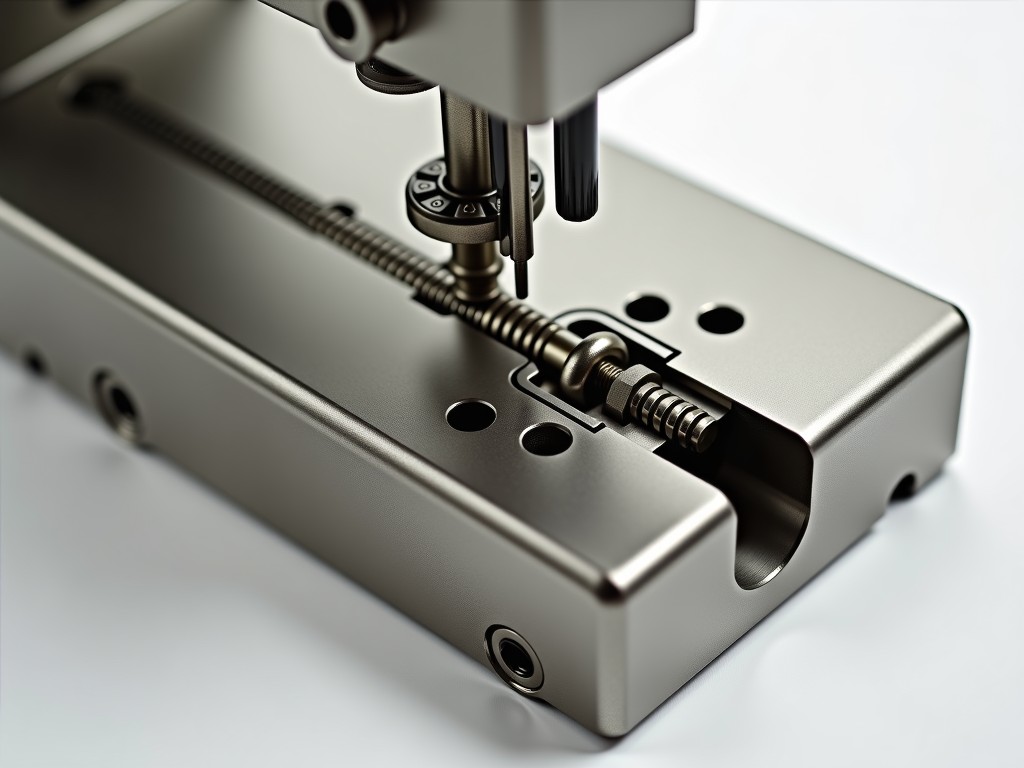
This equipment is designed to produce the bottom stop component of zipper pin boxes with high dimensional accuracy. It integrates pneumatic actuation, precision guiding, and interchangeable tooling to accommodate a range of zipper sizes.
Consistent bottom stop geometry prevents slider disengagement and ensures reliable zipper performance throughout the product lifecycle. The machine’s repeatability reduces scrap rates and supports high‑volume production lines.
Technical Specifications
| Parameter | Typical Value | Customizable According to Project Requirements |
|---|---|---|
| Maximum zipper width | 12 mm | Up to 20 mm with optional die set |
| Production speed | 150 cycles/min | Adjustable via servo drive |
| Positioning tolerance | ±0.02 mm | Tighter tolerances available on request |
| Power supply | 380 V 3‑phase, 50/60 Hz | Alternative voltages configurable |
| Control interface | PLC with touchscreen HMI | Optional SCADA integration |
Applications in Zipper Manufacturing
The bottom stop is a critical safety feature that locks the slider at the end of the chain. In apparel, luggage, and outdoor gear, a precisely formed stop prevents accidental opening under load.
By producing stops with uniform height and width, the machine helps manufacturers meet industry standards such as YKK’s specifications and reduces the likelihood of field failures.
Automotive interior trims and technical textiles benefit from the same precision, as zipper reliability impacts both aesthetics and functional safety in those sectors.
Customization Options
- Interchangeable die sets for different zipper tooth profiles (coil, molded, invisible)
- Adjustable stop height ranging from 0.8 mm to 2.5 mm
- Optional vision system for real‑time dimensional verification
- Modular feed system compatible with various zipper tape widths
- Software recipes for rapid change‑over between product families
Quality Control Philosophy
Each machine undergoes a factory acceptance test that measures stop dimensions across a production run of 10 000 cycles. Data is logged to verify that the standard deviation remains within the specified tolerance band.
Tooling wear is monitored via built‑in counters; preventive maintenance alerts are triggered when a predefined cycle limit is approached, helping maintain consistent output quality.
Material compatibility is validated for common zipper tape polymers (polyester, nylon, polypropylene) to ensure that the forming process does not induce deformation or degradation.
Frequently Asked Questions
Can the machine be adapted for specialty zipper types such as water‑proof or fire‑retardant tapes?
Yes, the die set and forming pressure can be adjusted to accommodate tapes with coatings or additives; material trials are recommended before full‑scale production.
What information is required to obtain a quotation?
Key inputs include zipper width, tooth type, desired stop dimensions, production volume, and any required integration with existing line equipment.
How is quality inspected during operation?
An optional inline vision system measures each stop’s height and width, rejecting out‑of‑spec parts automatically. Without vision, periodic sampling with a micrometer is standard practice.
What packaging options are available for shipment?
Machines are secured on pallets with foam edge protectors and stretch‑wrap; export crates meet ISPM‑15 standards upon request.
What is the typical lead time?
Standard configurations ship within 8‑10 weeks after order confirmation; customized tooling may extend this period.